
Парк у пруда Цзуйбай — один из самых знаковых классических садов Шанхая, обладающий богатой историей, насчитывающей более 1000 лет и восходящей к династии Сун. Пышные лужайки, древние деревья и живописные каменные мостики через тихие ручьи — здесь воплощена истинная душа садового дизайна Цзяннань. На удивительно компактной территории он мастерски создает свой собственный безмятежный и элегантный мир. Вам не нужно ехать куда-либо еще в Восточную Азию, чтобы оценить традиционную красоту сада — эта скрытая жемчужина Шанхая предлагает мирное и аутентичное знакомство с восточной эстетикой.

Как добраться и важная информация для туристов
Добраться до парка у пруда Цзуйбай проще простого. Просто воспользуйтесь... Шанхайская линия метро, линия 9 и выйти на Станция Дзуйбаичи (醉白池站)Выезжайте из Выход 3А главный вход в парк будет прямо перед вами!


По обе стороны от главных ворот вы найдете Билетная касса с одной стороны и Центр для посетителей с другой стороны.
- Билеты и ценыВход на мероприятие удивительно дешев, всего лишь... 12 юаней (примерно 1,70 доллара США) с человека. Дети ростом 1,3 метра (4,3 фута) и ниже проходят бесплатно. Помимо входного билета, никаких дополнительных сборов или скрытых платежей на территории парка нет.
- Часы работы:
- Летний сезон (с 1 мая по 30 сентября)Парк открыт с 6:00 до 19:00. (Касса работает с 7:00 до 18:30)
- Осенне-зимний сезон (1 октября – 30 апреля)Парк открыт с 6:00 до 17:00. (Касса работает с 7:00 до 16:30)
- Служба обслуживания посетителей и безопасностьВ информационном центре для посетителей имеется пункт первой помощи, оборудованный... АВД (автоматический внешний дефибриллятор) на случай любых непредвиденных медицинских чрезвычайных ситуаций, обеспечивая безопасное и спокойное посещение.
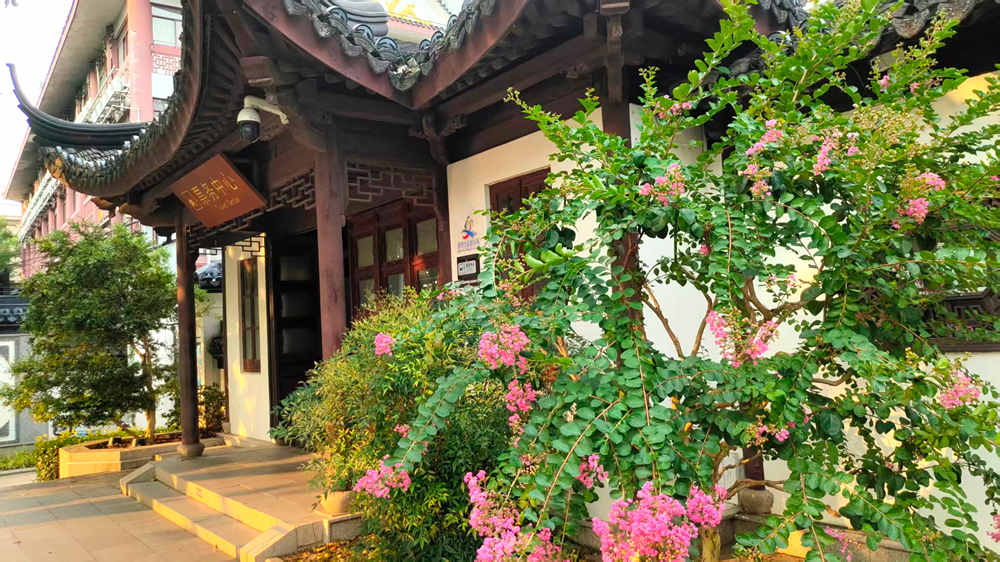

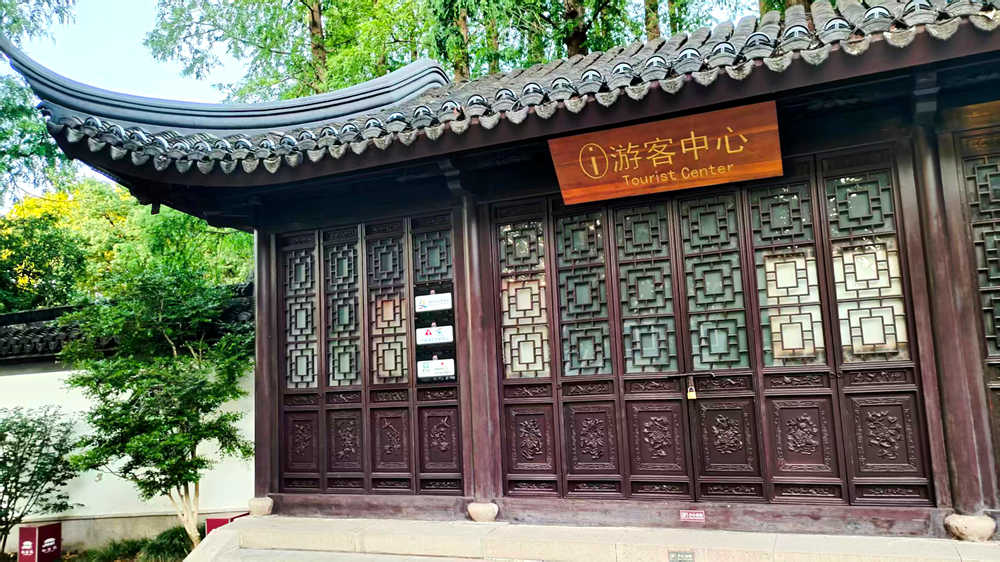

Очарование сада учёного-классика
Парк у пруда Цзуйбай, изначально созданный в древнем Китае как частный сад ученых, занимает относительно небольшую площадь, но его планировка кажется бесконечно обширной. Благодаря мастерски продуманному пространственному дизайну, сад включает в себя многоуровневые внутренние дворики, которые идеально воплощают традиционный китайский эстетический принцип «Образ меняется с каждым шагом» (移步换景, И Бу Хуань ЦзинПо мере того, как вы будете бродить по этому месту, каждый поворот и ракурс откроют перед вами неповторимую, захватывающую дух картину. Это изысканно созданное пространство, которое вознаграждает за неспешное исследование и никогда не надоедает.
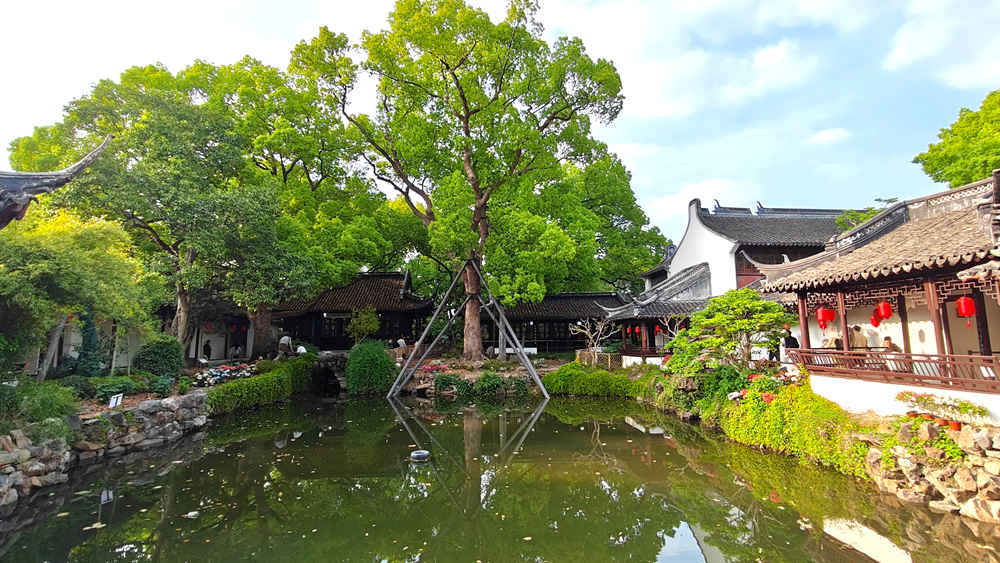
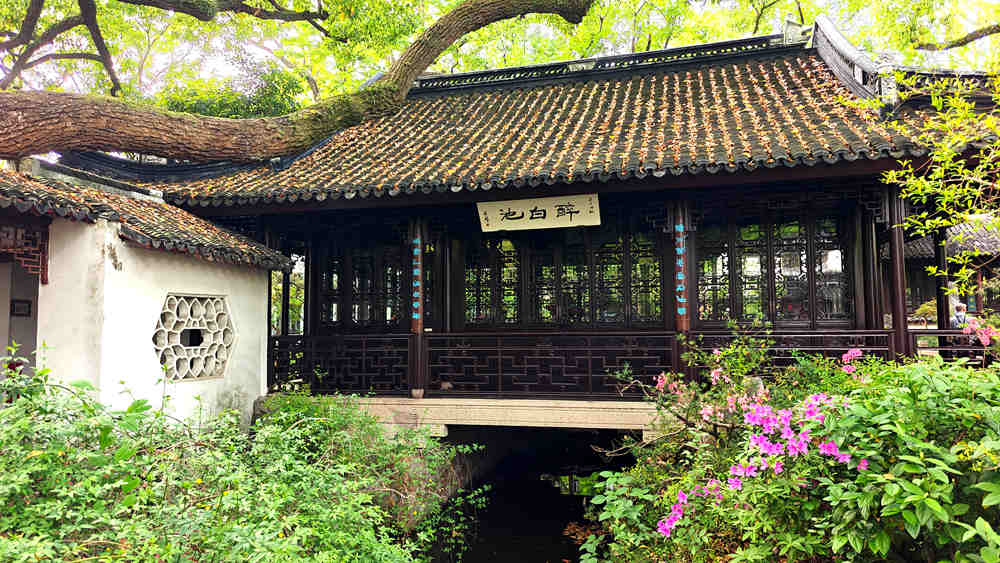
Парк Цзуйбай Понд, добавляющий парку неподвластного времени своему очарованию, круглый год проводит яркие сезонные выставки цветов. Если время вашей поездки совпадет с этим, вы можете случайно попасть на одно из этих красочных цветочных торжеств:
- Весна (апрель – май): Выставка азалий (杜鹃花展)где яркие розовые и красные цветы освещают старинные дворы.
- Лето (июль – август): Выставка лотоса (荷花展)На фотографии — пышные пруды с цветущими лотосами — квинтэссенция летнего пейзажа в Цзяннане.
- Осень (октябрь – ноябрь): Выставка хризантем (菊花展), демонстрируя элегантные осенние цветы на фоне исторических павильонов.
В зависимости от времени года вашего визита, вам может посчастливиться застать одно из таких событий, наблюдая, как тихий, тысячелетний сад оживает, наполняясь яркими красками!


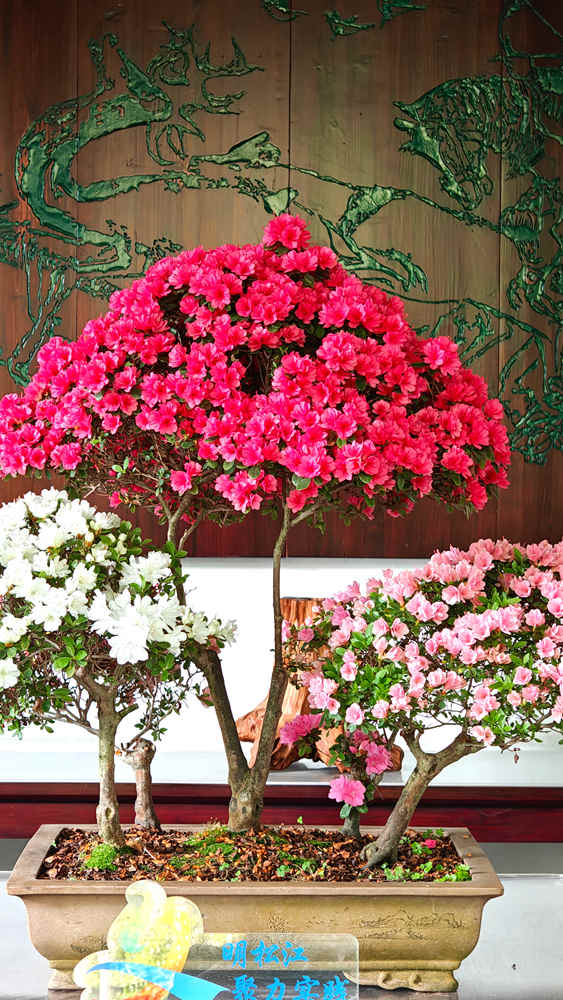
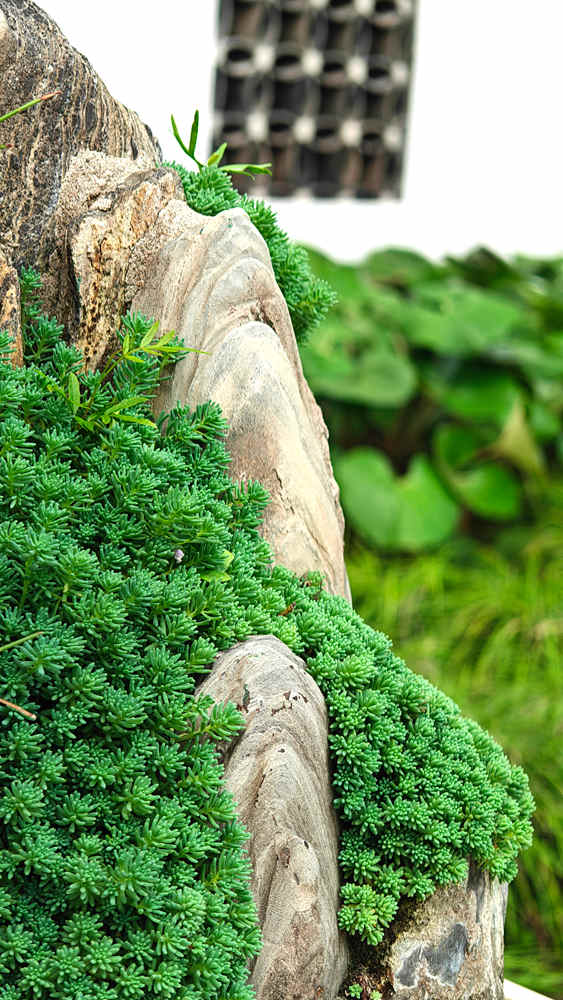
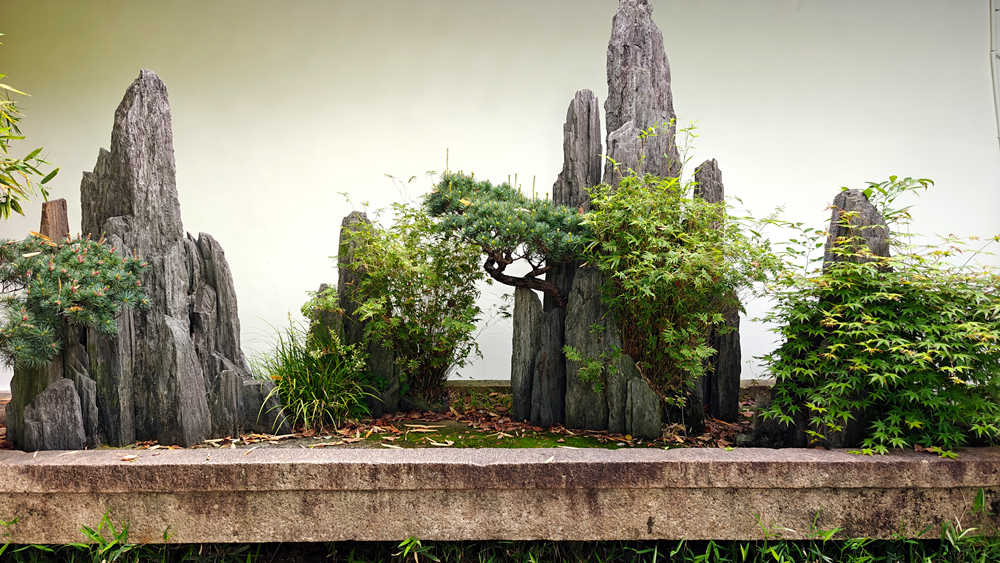
Помимо сезонных цветочных выставок, вы также обнаружите очаровательный внутренний дворик, посвященный десяткам изысканных пенцзин (中国盆景, традиционное китайское искусство бонсай). Эти живые скульптуры были щедро пожертвованы парку в 1990-х годах мастером пенцзин из Шанхая.
В китайской культуре пэньцзин — это гораздо больше, чем просто горшечные растения; это миниатюрный микрокосм обширных природных ландшафтов Китая. С помощью поэтического сочетания одного выветренного дерева или камня уникальной формы художник может передать величие величественных гор и извилистых рек. Выращивание больших, зрелых растений пэньцзин требует огромного времени и десятилетий терпения, превращая этот мирный уголок в живое свидетельство китайского мастерства и художественной философии.
То, что мы здесь показали, — лишь малая часть того, что может предложить парк у пруда Цзуйбай: с изменением времен года каждое посещение вознаграждает вас неповторимой красотой. И самое главное, прогулка по саду не даст вам устать. Неспешная прогулка по всему парку займет всего около часа.
Прогуливаясь по окрестностям, вы обнаружите множество извилистых крытых коридоров, исторических восьмиугольных павильонов и общественных скамеек, где можно присесть, перевести дух и неспешно насладиться безмятежной атмосферой.
После экскурсии можно пообедать и совершить покупки: недалеко находится торговый центр Ludu.
После того, как вы насладитесь безмятежной красотой парка у пруда Цзуйбай, вам, возможно, захочется вкусно поесть, выпить освежающий напиток или немного пройтись по местным магазинам. К счастью, вам пока не нужно снова садиться в метро!
Просто приятный 10 минут пешком Примерно в 700 метрах от входа в парк находится... Торговый центр Люду (鹿都购物中心) и прилегающий к нему пешеходный комплекс с ресторанами. Лесунфанг (乐颂坊).

Этот оживленный торговый район — излюбленное место отдыха местных жителей в Сунцзяне. Внутри Луду (鹿都) и Лесунфанг (乐颂坊)Здесь вы найдете множество аутентичных китайских закусочных, уютных кафе с молочным чаем и местных кафе, где можно перекусить, что делает это место идеальным для отдыха и восстановления сил после экскурсии по саду.
Шаг 1: Выйдите через главные ворота и двигайтесь на север по Южной дороге Жэньминь.
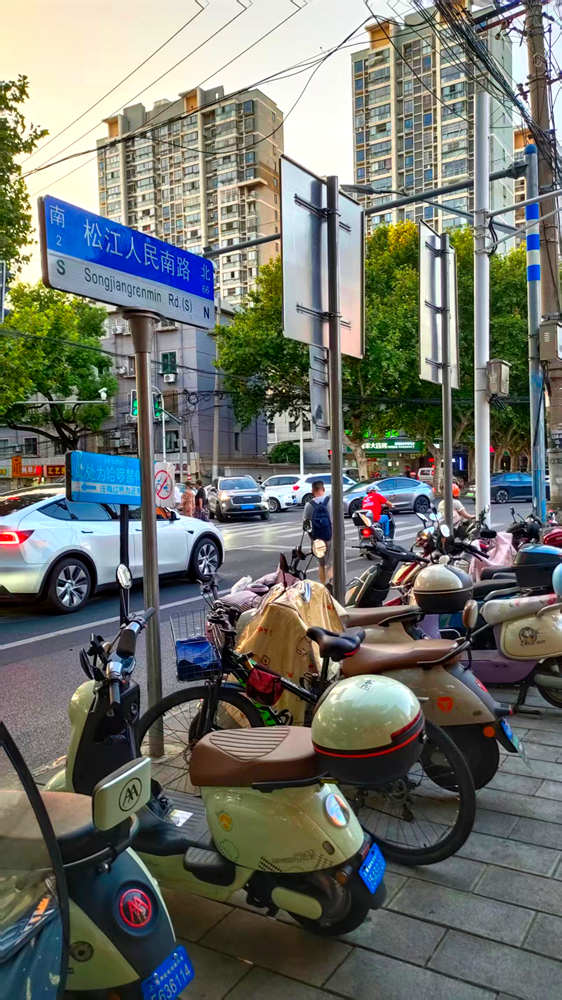
Выйдя из главного входа в парк Цзуйбай Понд, вы окажетесь перед... Южная улица Сунцзян Жэньминь (人民南路)Gire a la derecha y camine hacia el norte por la calle.
Пройдя совсем немного, вы окажетесь на перекрестке. Южная Сунцзян Жэньминь и Средняя дорога Сунгуэй (松汇中路)Приближаясь к перекрестку, вы легко заметите несколько узнаваемых придорожных достопримечательностей: Лоусон магазин товаров повседневного спроса, а Пиццерия Папа Джонси а КФК.


Шаг 2: Поверните направо у кафе Luckin Coffee и пройдите вдоль улицы Songhui Middle Road.
Подъехав к перекрестку, поверните направо. Вы увидите... Лакин Кофе сидит прямо на углу.

Продолжайте идти прямо вниз. Средняя дорога Сонхуэй По той же стороне улицы, что и кафе Luckin Coffee. По пути вы проедете мимо небольшой боковой улочки, но просто оставайтесь на главной дороге, не поворачивая.
По пути вы заметите несколько очаровательных зданий в традиционном китайском стиле через дорогу. Продолжайте идти, и вскоре вы приблизитесь к главному входу. Средняя школа № 1 Сунцзян (松江一中).


Шаг 3: Перейдите улицу по пешеходному переходу, чтобы добраться до Луду.
Стоя у главного входа в среднюю школу № 1 города Сунцзян, посмотрите вперед — и вы увидите Торговый центр Люду (鹿都购物中心) Прямо у вас на виду!


Воспользуйтесь пешеходным переходом, расположенным прямо перед школьными воротами, чтобы безопасно перейти дорогу. После перехода пройдите еще немного, и вы официально окажетесь у торгового центра Ludu. Лесунфанг (乐颂坊) ресторанный комплекс!
💡 Joytripper Pro-Tip: Skip the Shops on Miaoqian Street
По пути вы пройдете мимо ряда зданий в традиционном стиле через дорогу. Это улица Сунцзян Мяоцянь (庙前街). Хотя традиционная архитектура выглядит очаровательно снаружи, не отвлекайтесь! Большинство магазинов и киосков здесь предлагают товары низкого качества и посредственные закуски. Гораздо более качественные, безопасные и надежные места для еды и покупок вы найдете в торговом центре Луду и в Лесунфанге.
Как добраться до Лесонгфанга (не заблудившись!)
Если ваш визит совпадет с обеденным или вечерним временем, это идеальный момент, чтобы побаловать себя настоящей шанхайской кухней.
Краткое предупреждение о навигации: Делать нет Не спешите проходить прямо через главный вход торгового центра Ludu. Внутренняя планировка торгового центра может представлять собой настоящий лабиринт, и посетителям, посетившим его впервые, очень легко заблудиться.

Вместо этого воспользуйтесь этим простым способом добраться до нужного места на улице:
- Найдите въезд на парковку прямо рядом с главным входом в Луду.
- Пройдите по боковой дорожке, проходящей вдоль здания Луду.
- Поверните налево, и Лесунфанг (乐颂坊) Он будет прямо перед вами!
(Дополнительный совет: если вы окажетесь внутри торгового центра Ludu Mall, обратите внимание, что магазины Lesongfang и Ludu Shopping Center также удобно соединены внутри здания на 2-м этаже.)


Топ-3 рекомендуемых заведений общественного питания в Лесонгфанге
Внутри ресторана Lesongfang вы найдете большой выбор заведений общественного питания. Вот три лучших места на любой вкус:
- Пельмени Яна (小杨生煎 – культовый шанхайский димсам)
- Почему стоит посетить: Абсолютно обязательное к посещению легендарное шанхайское заведение! Всемирно известное своим Шэнцзяньбао (Пельмени с хрустящей корочкой, обжаренные на сковороде, с начинкой из свинины). Готовится быстро, невероятно вкусно и очень недорого.
- Лао Фэй Мао (老肥猫中餐厅 – китайская кухня сидя)
- Почему стоит посетитьИдеально подходит, если вы предпочитаете полноценный обед с аутентичными китайскими домашними блюдами и классическими шанхайскими вкусами. Отлично подходит для того, чтобы разделить несколько блюд в семейном стиле с попутчиками.
- Сайзерия (萨莉亚意式西餐厅 – Бюджетная западная кухня)
- Почему стоит посетить: Известный, недорогой итальянский семейный ресторан. Если вы путешествуете с детьми, имеете диетические ограничения или просто хотите отведать привычной западной домашней еды (например, пиццы, пасты и салатов) по непревзойденным ценам, это беспроигрышный вариант для непринужденного отдыха.
Пельмени Яна (小杨生煎 – культовый шанхайский димсам)

Пройдя вдоль задней стороны здания Ludu по дорожке, ведущей к парковке, продолжайте двигаться прямо в сторону Lesongfang. Первый ресторан, который вы увидите на первом этаже, прямо у дороги, это... Пельмени Яна (小杨生煎).
Пельмени Ян, любимое местное шанхайское блюдо, появились в 1990-х годах и с тех пор стали кулинарной легендой. Их абсолютная визитная карточка — это сочетание ингредиентов. Свинина Шэнцзяньбао (жареные на сковороде пельмени с хрустящей корочкой и сочной свиной начинкой) в сочетании с горячей тарелкой настоящего Суп с говяжьей вермишелью (牛肉粉丝汤).
Средняя стоимость обеда здесь составляет всего около 30 юаней (примерно 4,20 доллара США) на человека. Горячие шэнцзяньбао и ароматный суп с говяжьей вермишелью согреют душу в холодные зимние дни. А если вы посетите ресторан жарким летом, не беспокойтесь — здесь работает кондиционер, так что вы сможете насладиться прохладной и комфортной едой!
Если вы решите пообедать в ресторане Yang's Dumpling, вы можете просто зайти внутрь.
Совет по быстрому способу использования комнатных коммуникацийЕсли вы направляетесь в Сайзерия или Лао Фэй МаоВам не нужно обходить всё здание! Вы можете пройти прямо через внутреннее пространство пельменей Янга и попасть во внутренний атриум ресторана Лесонгфан. Оттуда поднимитесь на эскалаторе наверх. 2-й этажгде вы легко сможете увидеть как Сайзерию, так и Лао Фэй Мао.


Сайзерия (萨莉亚意式西餐厅 — бюджетный итальянский ресторан)
Saizeriya — невероятно популярная в Китае сеть итальянских ресторанов быстрого обслуживания. Несмотря на то, что в их блюдах используется централизованная кухня с частичной подготовкой ингредиентов, они отличаются исключительной свежестью и высоким качеством.
Благодаря эффективному рабочему процессу на кухне, скорость обслуживания просто молниеносная! Даже в часы пик вам не придется долго ждать — блюда обычно начинают подавать к вашему столу примерно через... 5 минут.
Цены здесь удивительно доступные. Например:
- Салат из тунца (金枪鱼沙拉): Только 12 юаней (примерно 1,70 доллара США).
- Пицца с дурианом на тонкой корочке (榴莲薄脆披萨): Только 18 юаней (примерно 2,50 доллара США).
Поскольку это заведение в западном стиле, здесь предоставляется полный набор столовых приборов западного образца — ножей, вилок и ложек, что делает его очень удобным вариантом для обеда, если вы еще не уверены в своих навыках использования палочек для еды.


💡 Joytripper Pro-Tip on Tipping in China:
В Китае нет культуры чаевых. В ресторанах официанты не ожидают и не принимают чаевые. Если вы попытаетесь оставить чаевые, а официант вежливо откажет или будет выглядеть растерянным, не стесняйтесь — это просто обычная местная практика!
Лао Фэй Мао (老肥猫中餐厅 - китайская кухня «от фермы до стола»)
Lao Fei Mao — популярная шанхайская сеть китайских ресторанов, известная своей философией «от фермы к столу». Бренд владеет собственными базами по поставке продуктов от фермерских хозяйств, что гарантирует, что свежие сезонные овощи, яйца, мясо и соевые продукты обладают богатым, аутентичным вкусом китайской сельской местности.
Здесь исключительно эффективна работа кухни и службы обслуживания. Вместо того чтобы подавать блюда с большими перерывами, весь заказ за вашим столом обычно подается последовательно в течение примерно 10 минутэто позволит вам вместе насладиться полноценным, сбалансированным обедом.
К другим преимуществам для путешественников относятся:
- Непревзойденная ценаСредняя стоимость составляет всего около 60 юаней (примерно 8,40 долларов США) с человека.
- Щедрые подаркиК вашему столику бесплатно подаются горячий чай и салфетки. Если у вас останется еда, вам также бесплатно предоставят контейнеры и пластиковые пакеты!
- Строгие стандарты качестваВсе блюда готовятся с использованием бутилированной минеральной воды, а основной подаваемый рис — премиум-класса. Учанский рис (五常大米)—Самый ценный и ароматный сорт риса в Китае.
Если вы хотите насладиться комфортной трапезой за столом, попробовать аутентичные китайские блюда, соблюдая высокие стандарты гигиены и наслаждаясь прекрасным гостеприимством, ресторан Lao Fei Mao — отличный выбор.


Покупки после еды и возвращение в метро
После еды вы можете легко прогуляться от ресторана Lesongfang прямо до... Торговый центр Луду через соединяющий второй этаж надземный переход. Торговый центр предлагает увлекательный взгляд на повседневную жизнь местных жителей, здесь представлен широкий выбор китайских магазинов, магазинов одежды и местных предприятий сферы услуг.


💡 Безотказный совет по возврату в систему навигации:
Если вы вдруг заблудитесь внутри торгового центра, не волнуйтесь! Просто выйдите на улицу. любой выход на первом этажеВыйдя на улицу, пройдите вдоль внешнего периметра здания Ludu, пока не дойдете до главной улицы, а затем просто вернитесь по тому же трехшаговому маршруту обратно к Metro. Станция Дзуйбайчи, линия 9.
В заключение, приятных открытий!
От выхода прямо из метро по 9-й линии в тысячелетний классический сад Цзяннань до наслаждения аутентичными местными блюдами всего в нескольких шагах от него в Лесунфан, поездка в парк Цзуйбай Понд — это уникальная возможность отдохнуть от городской суеты. Это доказывает, что для того, чтобы познакомиться с богатой историей и яркой повседневной жизнью Шанхая, не нужен огромный бюджет или сложная логистика.
🔗 Catch Up on the Series!
Вы впервые путешествуете и планируете поездку на метро в Шанхае? Прежде чем отправиться в путь, убедитесь, что вы знаете, как покупать билеты, использовать бесконтактные карты и беспрепятственно пользоваться турникетами:
👉 Часть 1 можно прочитать здесь.: Серия статей «Путешествие по Шанхаю на метро»: Часть 1 – Как купить билеты и воспользоваться метро для иностранных туристов, впервые приезжающих в Шанхай